IML label inspection system: catch unlabeled, upside-down and shifted parts before they leave the line
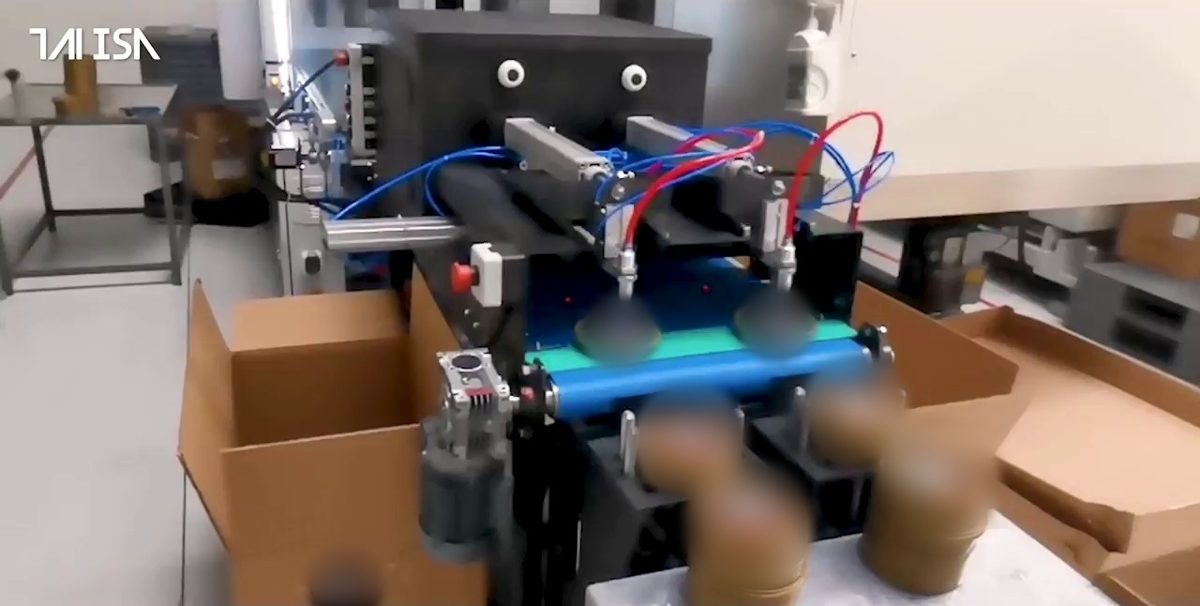
An inspection station at the machine outlet checks every part and writes the decision to the PLC within milliseconds. Faulty parts go to the reject bin, not into the box.
What it catches
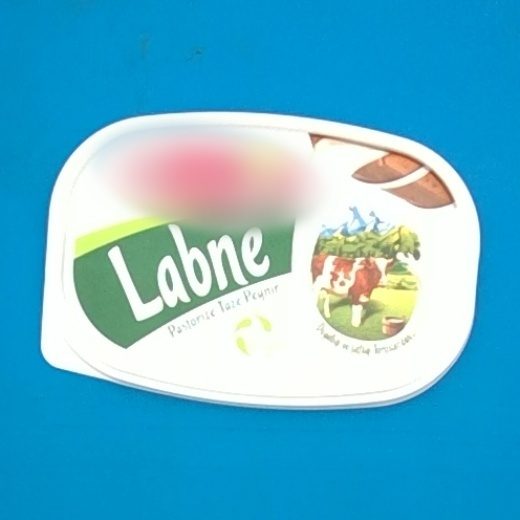
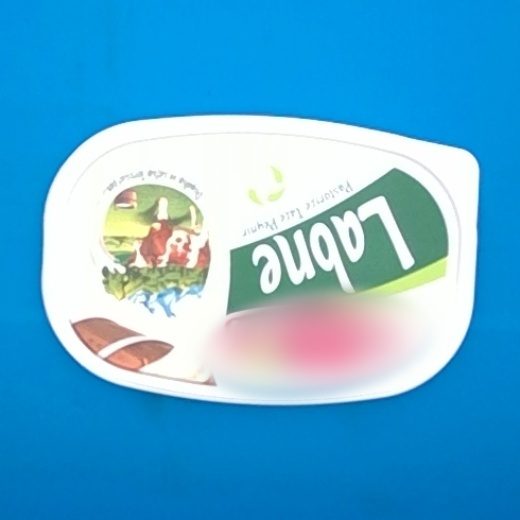
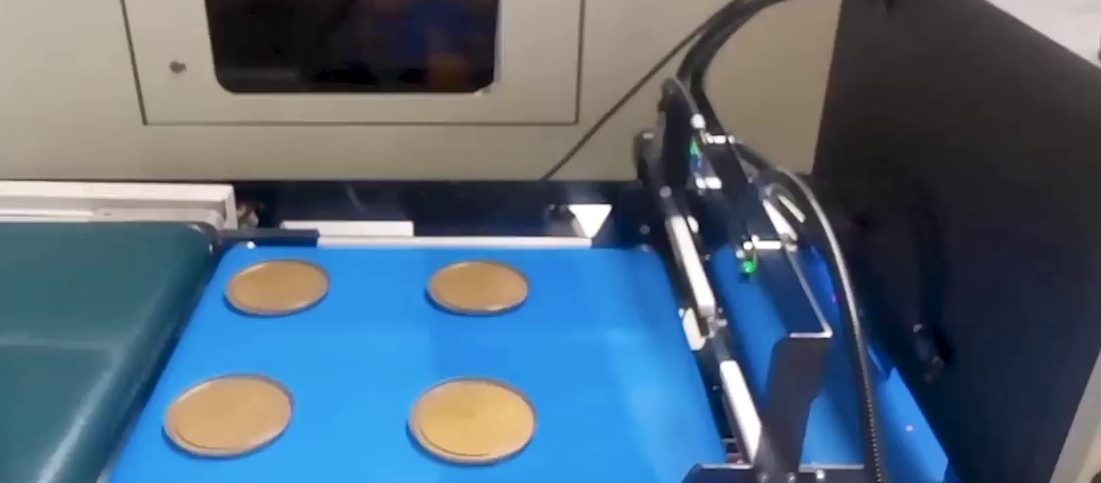
Images are taken from the cameras of the station running on site.

How it works
The station is added to your existing line; no separate conveyor or line change is needed.
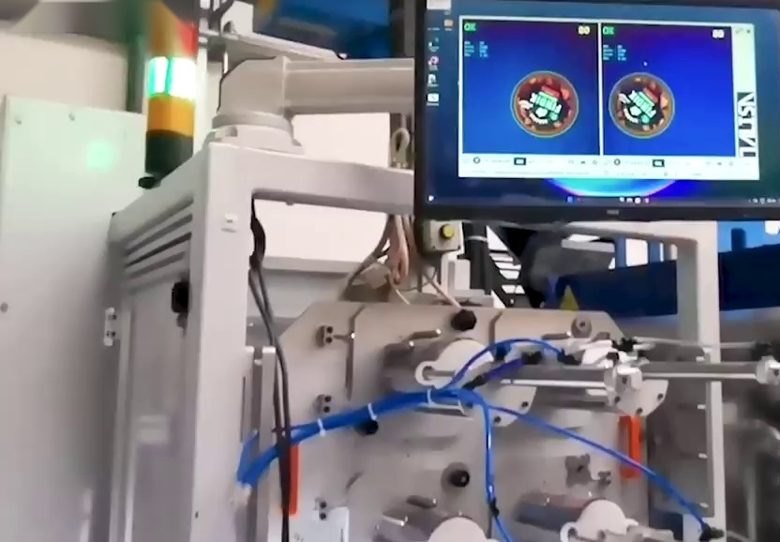
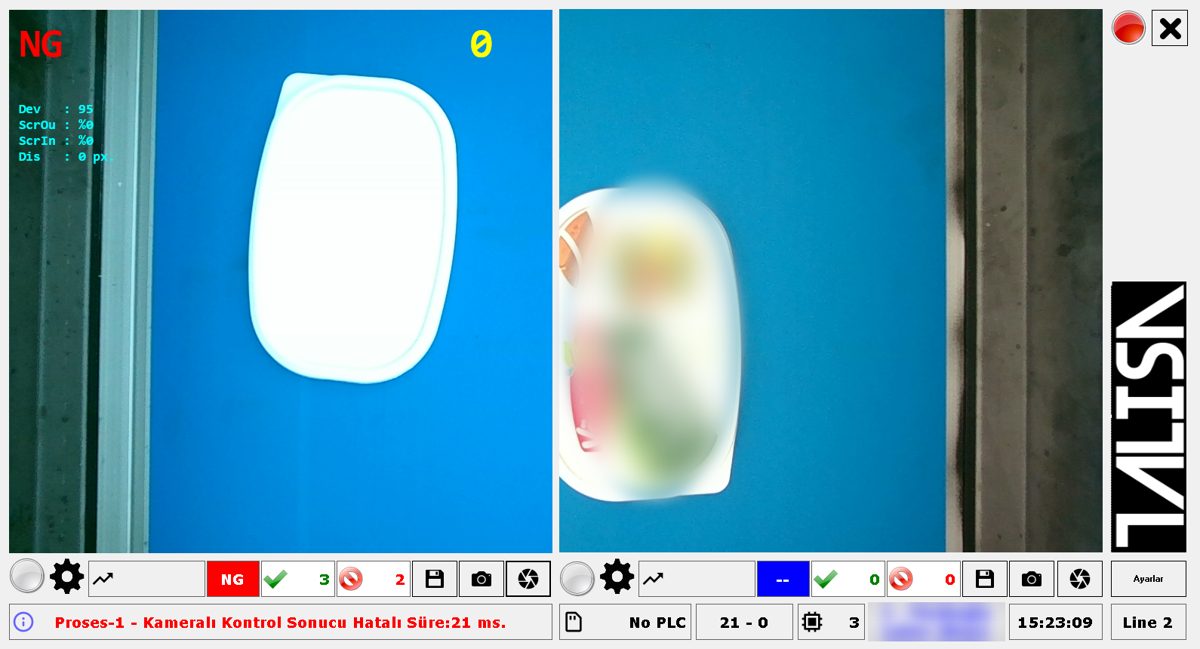
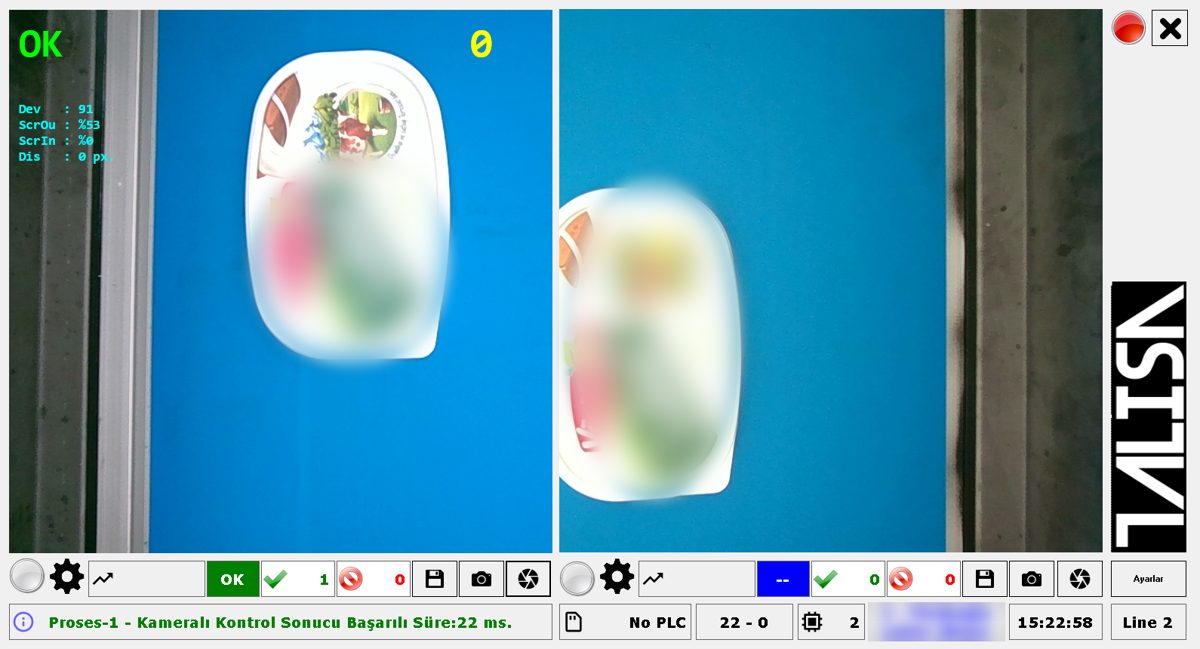
Operator screen
A large OK / NG, the reason and the time taken. Settings are password-protected and every change is logged.
From one good sample; no need to call us.
Every trigger ends with a result. A camera or connection problem shows up on screen as an alarm.
Batch and shift reports, image archive of rejected parts.
How we start
How pricing works
Every line is different, so there is no fixed list price. The final price comes in a one-page written quote after the sample test, with no hidden items.
Camera, lighting, compute unit, software, PLC connection, commissioning and operator training.
Remote monitoring, software updates and help with teaching new products.
Free: one product type, up to 50 samples, in our workshop. On-site testing is charged per day and deducted from the quote if you order.
Main price drivers: number of cameras, product variety, line speed and whether a mechanical reject mechanism is needed.
Flash and short shots
We are working on an AI model that runs on the line for defects whose shape changes every time. It will first run in shadow mode next to the existing station.
Technical details and roadmap
For technical reviewers and partners.
Intel RealSense D455 cameras with fixed lighting and PLC-triggered single-frame capture. Inspection runs on an industrial PC using MVTec HALCON shape-based matching (C#/.NET), plus a second station in Python/OpenCV. Each decision (OK/NG with reason) is written to the PLC over Modbus TCP. Two stations, four cameras; 22–28 ms per decision and about 105,000 inspections logged in production.
Move inference to NVIDIA Jetson (Orin class) with a YOLO model trained in PyTorch and exported via ONNX to TensorRT. It will run in shadow mode next to the current system on the same line, then add flash, short shot and surface defect classes. Acceptance: zero escapes on defect sets collected on site, with the false-reject rate agreed with the customer.
Related experience: Jetson-based robot guidance (3D camera + YOLO for sack picking) and a ROS 2 / lidar SLAM autonomous warehouse vehicle. All machine vision projects
Frequently asked questions
Does the line have to stop?
A short stop is planned for installation. In shadow mode the station only logs and does not affect the line.
What happens when the product changes?
Each product is taught once from a single good sample. On later changeovers the operator selects the product from a list.
Is our PLC compatible?
The result is written over Modbus TCP. If a different protocol is needed, we look at it together during the sample test.
Does it need an internet connection?
No. The decision is made on the line. A connection for remote support is optional.
Request a free sample test
Free for one product type and up to 50 samples, tested in our workshop. Tell us your product, the defect you want to catch and your line speed; add a photo if you can. We will tell you in writing whether a camera can solve it reliably. We are based in Konya, Türkiye.